Browse emergency plumbing
Browse emergency plumbing
Blog Article
Crucial Drainage Services: Why You Must Employ a Specialist Right Now
In any home, plumbing issues can occur without warning, triggering significant interruptions. Difficulties such as plugged drains or water-leaking pipes usually require more than self-help fixes. Consulting a certified plumber not only corrects immediate problems but also creates the framework for future upkeep. Becoming aware of the key services available can equip homeowners to make better decisions. The question stands: what are the core plumbing needs that every homeowner should be informed of?
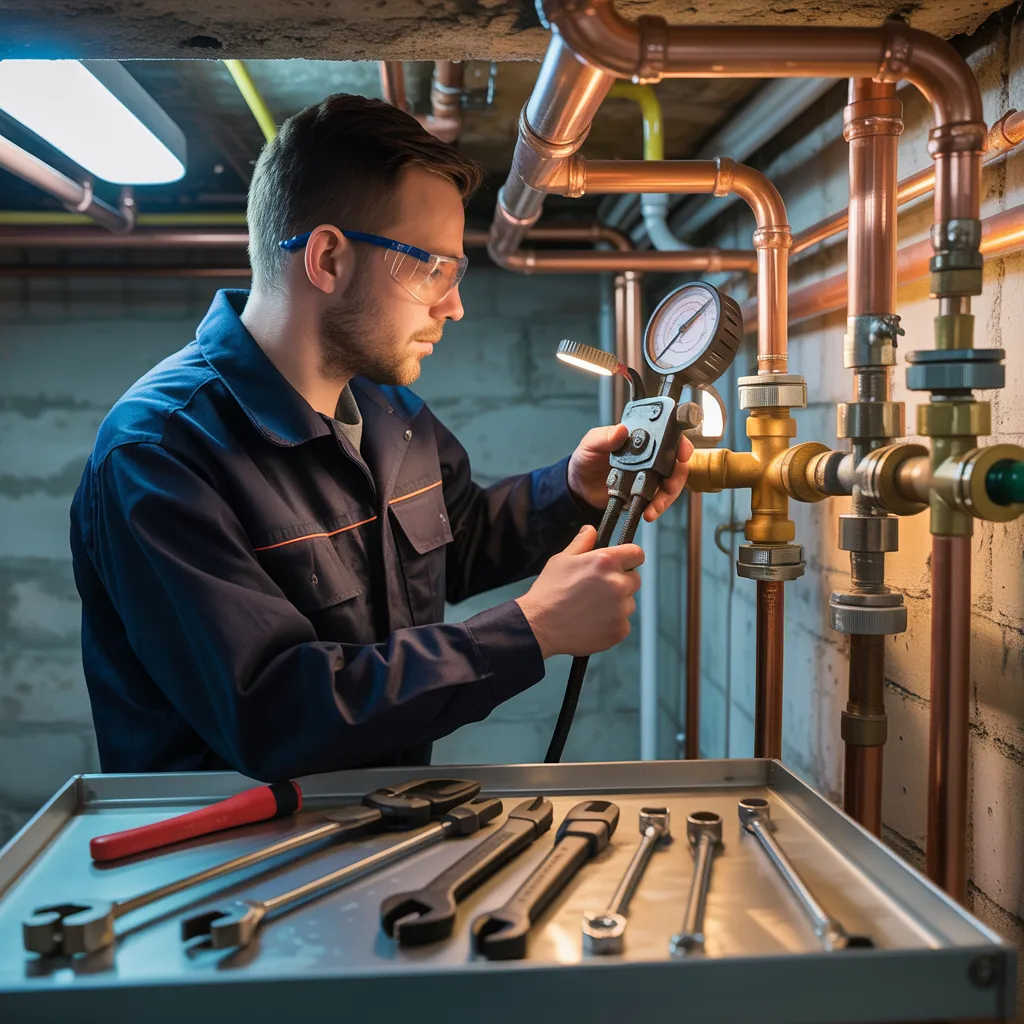
Best Plumbing Challenges and Approaches to Fix Them
When homeowners face plumbing issues, they often deal with common problems that require prompt attention. Clogged drains are one of the most frequent concerns, often caused by the accumulation of grease, hair, and debris.
Homeowners may temporarily alleviate this by utilizing a plunger or a drain snake, but persistent clogs typically demand professional assistance.
Leaky faucets pose another common problem, leading to water wastage and higher utility bills. A uncomplicated swap of washers or O-rings can often address this issue.
Furthermore, running toilets can deplete substantial water, usually due to a defective flapper or fill valve. Property owners may try to address this by adjusting or replacing parts on their own.
In conclusion, burst pipes, frequently resulting from freezing temperatures, require immediate professional intervention to consult this source avert extensive water damage.
Identifying these typical plumbing issues helps property owners find timely solutions and preserve their home's plumbing infrastructure effectively.
The Importance of Routine Upkeep
Routine upkeep is crucial for maintaining the lifespan and efficiency of a home's plumbing infrastructure. Frequent evaluations can identify potential issues before they escalate, sparing homeowners from costly repairs.
Elementary duties, such as looking for leaks, scrubbing faucets, and inspecting water heaters, can greatly enhance system operation. Additionally, routine maintenance helps to maintain water standards, as mineral deposits in pipes can result in contamination.
Property owners should likewise consider scheduling expert pipe maintenance to prevent clogs. By dedicating resources to regular upkeep, homeowners not only guarantee their plumbing operates smoothly but also enhance the overall value of their property.
Taking a preventative approach toward plumbing maintenance ultimately creates a stress-free household setting.
Round-the-Clock Plumbing Relief
Encountering a plumbing disaster can be taxing for any householder, making it important to identify crucial services that can provide immediate relief.
Emergency plumbing services provide 24/7 emergency crews prepared to tackle issues such as broken pipes, intense leaks, or overflowing toilets. These skilled technicians can rapidly assess the problem and execute temporary solutions to prevent additional damage.
In addition, offerings frequently address drain clearing, water heater servicing, and sewer backups. Homeowners should also become aware of the significance of turning off the main water supply during critical situations.
In the end, possessing access to emergency plumbing solutions not only diminishes damage but also provides peace of mind during challenging times. Being prepared in such situations can save both time and money.
How to Correct Regular Plumbing Complications
Plumbing issues can interrupt daily life, but many typical problems have straightforward answers. A blocked pipe can often be resolved with a plunger or a combination of baking soda and vinegar. This approach helps break down buildup without strong chemical cleaners.
Leaky faucets, yet another common problem, may simply require a washer replacement; cutting off the water and unfastening the faucet enables easy access to the components.
To resolve running toilets, adjusting the float or replacing the flapper can return normal function. For low water pressure, inspecting aerators or showerheads for blockages is an efficient first step.
In conclusion, homeowners can often handle minor pipe leaks with epoxy putty or tape as a temporary solution. These straightforward approaches empower people the capacity to manage routine plumbing issues effectively, promoting a sense of self-sufficiency. However, persistent issues may require more thorough investigation.
When should you contact a expert pipe specialist?
How can someone determine when to consult the skills of a professional plumber? Recognizing specific signs can guide homeowners in making this choice.
Continuous leaks that do not react positively to temporary fixes reveal a more serious core problem. Obstructed drains that stand against standard cleaning efforts may call for professional help to prevent extensive damage.
Additionally, if a homeowner identifies low water pressure or stained water, these may indicate plumbing problems that should not be dismissed.
Intricate issues like sewer line blockages or substantial water harm demand prompt professional support to minimize risks.
Homeowners should also consider the age and condition of their plumbing systems; outdated or worn pipes often lead to costly repairs if not addressed timely.
At the final analysis, when doubtful, consulting a competent plumber can save time, money, and additional complications.
How Regular Maintenance Cuts Expenses and Headaches
Investing in preventive care can significantly decrease the likelihood of expensive fixes and inconvenient emergencies. Regular inspections and maintenance of plumbing systems can identify small problems before they develop into significant issues. For instance, tiny drips, deteriorated piping, or blocked drains can be handled quickly, protecting homeowners from expensive repair bills down the line.
Furthermore, efficient preventive approaches boost the overall performance of pipe networks. By confirming that pipes and fixtures are in excellent condition, homeowners can sidestep the additional costs associated with elevated water costs due to leaks or inefficiencies.
In addition, preventative maintenance sustains property value. A well-maintained plumbing system is attractive to potential buyers and can prevent future disputes or negotiations related to repairs.
Ultimately, investing in preventive care not only safeguards your wallet but also offers peace of mind, making it a smart decision for homeowners looking to prevent trouble.
Why Consistent Plumbing Maintenance Counts
Routine plumbing check-ups serve a significant purpose in maintaining a home's infrastructure. These evaluations enable professionals to identify potential issues before they escalate into costly repairs. By addressing problems such as water loss, obstructions, or old pipes early, homeowners can sidestep extensive damage to their property and guarantee a safe living environment.
Additionally, regular inspections enhance the overall performance of plumbing systems. They can uncover inefficiencies that lead to increased water bills, allowing homeowners to make necessary adjustments.
Regular care also extends the lifespan of plumbing systems and appliances, promoting sustained economic benefits.
Moreover, a well-maintained plumbing system increases home value, making it more attractive to potential buyers.
In the final analysis, stressing the importance of regular plumbing check-ups is fundamental for preserving a home's effective operation and soundness, bestowing tranquility to homeowners troubled by unanticipated plumbing disasters.
Preliminary Inspection Process
When a plumbing repair call is made, the plumber arrives prepared to assess the situation methodically. The procedure begins with a thorough evaluation of the premises, often commencing with a discussion about the reported issues.
The technician subsequently inspects plumbing parts that can be seen, including pipes, fixtures, and appliances, seeking marks of deterioration or harm. They may also apply diagnostic tools to discover concealed problems that are not immediately apparent.
During this initial inspection, the technician compiles observations and documents visually to preserve evidence of findings. This extensive assessment facilitates an reliable assessment and provides the basis for any vital fixes.
In the final analysis, this deliberate method ensures that no aspect of the plumbing infrastructure is overlooked, supporting optimal results.
Service Completion Assessment
Once pinpointing and managing common plumbing issues, the technician will embark on the completion of the service.
This stage includes a comprehensive review of the work performed to guarantee quality and compliance with safety requirements. The technician will describe the completed repairs and any preventive actions homeowners can take to avoid future problems.
An in-depth invoice will be delivered, detailing the services completed and associated costs. Payment options will be explored, permitting clients to pick a method that suits them best.
In conclusion, the professional will organize the work area, leaving it tidy and confirming that all tools and materials are removed.
Pleased clients can anticipate a subsequent phone call or email to ensure everything is working as expected after the service.
Questions Commonly Raised
How Can I Select the Perfect Plumbing Specialist for My Circumstances?
To pick the appropriate plumbing specialist, one should look into background, check customer reviews, compare quotes, and guarantee legitimate licensing and financial protection. Direct referrals can also present valuable perspective into reliability and level of service.
What Licenses Are Necessary for a Competent Plumber?
A competent plumber should have relevant certifications, comprehensive instruction, and expertise in plumbing work. They should also be licensed and insured, showing their compliance with industry regulations and ensuring quality service for various plumbing needs.
Are Emergency Plumbing Services Available 24/7?
Emergency plumbing services are undoubtedly at hand 24/7. Experts in this field prioritize speedy action to pressing issues, making sure that people get speedy assistance whenever plumbing emergencies occur, regardless of the hour or day.
What Steps Can I Take to Avoid Plumbing Issues in Older Homes?
Preventing plumbing issues in older homes requires frequent inspections, consistent upkeep, and timely repairs. Replacing outdated fixtures and ensuring proper drainage can also significantly reduce the risk of future plumbing difficulties.
What pipe fixtures must I have at Home?
A homeowner requires essential plumbing tools, containing a plunger, pipe wrench, variable wrench, sink wrench, tape measure, and a collection of screwdrivers. These implements provide a basic foundation for handling minor plumbing issues efficiently.
Report this page