Complete Guide to choosing the right plumbing company
Complete Guide to choosing the right plumbing company
Blog Article
Crucial Drainage Services: Why You Must Employ a Specialist Right Now
In any residence, plumbing issues can arise unexpectedly, causing significant disruptions. Issues like clogged drains or dripping pipes often demand more than DIY solutions. Hiring a licensed plumber not only addresses immediate concerns but also establishes the foundation for long-term maintenance. Understanding the essential services offered can empower homeowners to make informed decisions. The inquiry persists: what are the essential plumbing services that every homeowner should know about?
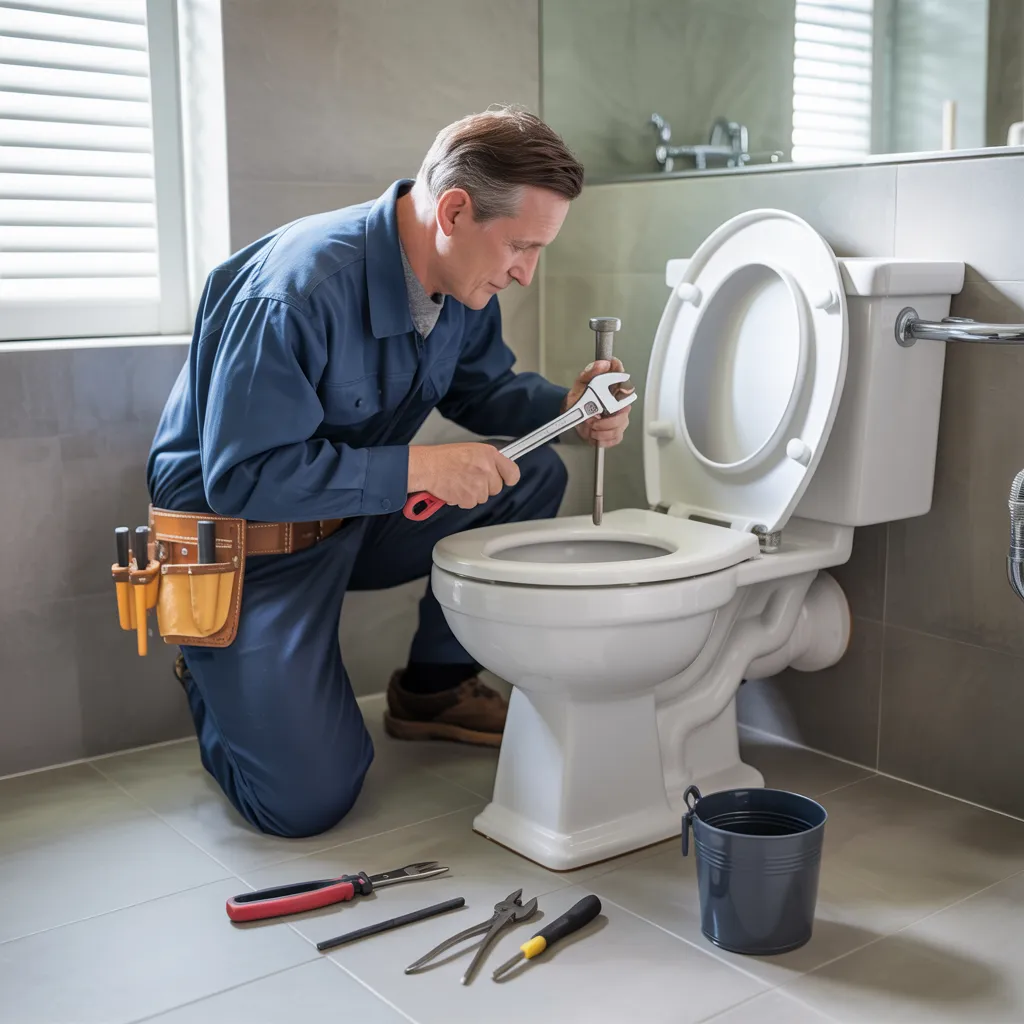
Common Plumbing Problems and Solutions to Repair Them
When homeowners encounter plumbing issues, they commonly confront common problems that demand prompt attention. Clogged drains are one of the most frequent concerns, often caused by the accumulation of grease, hair, and debris.
Homeowners might temporarily alleviate this by trying a plunger or a drain snake, but persistent clogs typically involve professional expertise.
Leaky faucets constitute another widespread issue, leading to water wastage and increased utility bills. A straightforward substitution of washers or O-rings can often resolve this issue.
Furthermore, running toilets can deplete substantial water, usually due to a defective flapper or fill valve. Homeowners may seek to repair this by adjusting or replacing parts on their own.
To summarize, burst pipes, commonly resulting from icy conditions, necessitate swift professional involvement to circumvent extensive water damage.
Identifying these common plumbing problems helps homeowners seek timely fixes and maintain their home's plumbing infrastructure efficiently.
Why Regular Maintenance Matters
Routine upkeep is crucial for maintaining the longevity and efficiency of a home's plumbing infrastructure. Regular inspections can detect possible problems before they escalate, sparing homeowners from expensive fixes.
Simple tasks, such as detecting leaks, cleaning faucets, and inspecting water heaters, can greatly enhance system functionality. Additionally, periodic maintenance helps to sustain water quality, as particle accumulation in pipes can trigger contamination.
Property owners ought to also consider scheduling professional drain cleaning to prevent blockages. By investing in regular upkeep, homeowners not only guarantee their plumbing operates smoothly but also boost the overall value of their property.
A proactive strategy to plumbing maintenance eventually contributes to a stress-free living environment.
Fast Pipe Services Results
Dealing with a plumbing crisis can be overwhelming for any property owner, making it essential to know crucial services that can provide quick assistance.
Emergency plumbing solutions feature round-the-clock response teams equipped to resolve concerns such as broken pipes, intense leaks, or overflowing toilets. These skilled technicians can swiftly evaluate the issue and carry out stopgap measures to avert further deterioration.
Furthermore, offerings commonly manage drain flushing, water heater restoration, and sewer backups. Homeowners should also educate themselves on the significance of disabling the main water supply when urgent situations arise.
At last, having access to emergency plumbing help not only lowers damage but also guarantees peace of mind during troubling times. Being prepared in these cases can protect both time and money.
How to Correct Regular Plumbing Issues
Pipe concerns can interrupt daily life, but many common issues have straightforward answers. A blocked pipe can often be corrected with a plunging tool or a mixture of baking soda and vinegar. This technique helps break down buildup without strong chemical cleaners.
Dripping taps, yet another common problem, may simply require a washer replacement; turning off the water supply and unscrewing the faucet enables easy access to the components.
To manage toilets that won't stop, modifying the float or replacing the flapper can establish normal performance. For low water pressure, inspecting aerators or showerheads for obstructions is an solid first action.
Ultimately, residents can frequently fix minor pipe leaks using epoxy putty or tape as a interim fix. These simple techniques allow individuals to address routine plumbing concerns efficiently, encouraging a feeling of self-reliance. However, ongoing problems may require deeper investigation.
When should you reach out to a professional pipe specialist?
How can someone identify when to consult the skills of a professional plumber? Identifying specific signs can guide homeowners in making this decision.
Constant leaks that fail to respond to short-term repairs suggest a more severe underlying issue. Clogged drains that prove resistant to typical cleaning procedures may necessitate professional intervention to forestall substantial harm.
Moreover, if a homeowner comes across low water pressure or water discoloration, these may point to plumbing problems that should not be ignored.
Difficult issues such as sewer line reversals or significant water damage compel urgent professional help to reduce risks.
Homeowners should also examine the age and condition of learn about this their plumbing systems; outdated or worn pipes often lead to expensive work if not addressed timely.
In the end, if you're uncertain, contacting a qualified plumber can conserve time, money, and additional complications.
How Preventive Care Preserves Your Budget and Minimizes Complications
Investing in preventative maintenance can markedly minimize the odds of costly repairs and unexpected crises. Consistent inspections and service of plumbing systems can uncover minor issues before they escalate into serious troubles. For instance, small leaks, corroded pipes, or clogged drains can be addressed promptly, sparing homeowners from substantial repair charges down the line.
Furthermore, effective preventative measures boost the overall performance of plumbing systems. By confirming that plumbing components are in excellent condition, property owners can sidestep the additional costs associated with higher water bills due to leaks or inefficiencies.
In addition, preventative maintenance helps maintain property value. A adequately maintained plumbing system is compelling to potential buyers and can prevent future disputes or negotiations related to repairs.
In the end, allocating resources to preventive upkeep not only protects your budget but also delivers peace of mind, making it a sensible option for homeowners attempting to prevent inconvenience.
Why Scheduled Plumbing Check-Ups Are Vital
Regular plumbing inspections play a significant role in preserving a home's infrastructure. These inspections allow experts to identify potential issues before they escalate into costly repairs. By tackling problems such as leaks, clogs, or aging pipes early, homeowners can prevent extensive harm to their property and guarantee a secure living environment.
Additionally, routine check-ups contribute to the overall efficiency of plumbing systems. They can uncover inefficiencies that lead to increased water bills, enabling homeowners to make necessary adjustments.
Regular upkeep also extends the operational life of plumbing fixtures and appliances, encouraging enduring financial gains.
Furthermore, a well-serviced plumbing system raises home value, making it more desirable to potential buyers.
Ultimately, prioritizing routine plumbing inspections is crucial for safeguarding a home's functionality and integrity, offering reassurance to homeowners worried about unexpected plumbing issues.
Initial Inspection Process
When a plumbing repair call is made, the plumber shows up ready to evaluate the situation systematically. The procedure begins with a comprehensive inspection of the premises, often commencing with a conversation about the reported issues.
The technician then examines visible plumbing components, like pipes, fixtures, and appliances, looking for marks of wear or damage. They may also utilize testing instruments to detect underlying issues that are not immediately apparent.
During this starting inspection, the technician gathers written details and photographs to document findings. This detailed examination helps in forming an accurate diagnosis and lays the groundwork for any necessary repairs.
In the final analysis, this methodical approach ensures that no aspect of the plumbing system is unaddressed, promoting optimal results.
Service Completion Report
After detecting and tackling common plumbing issues, the technician will advance to the final service steps.
This phase comprises a thorough inspection of the accomplished work to validate standards and adherence with safety standards. The service provider will explain the repairs executed and any preventive tactics homeowners can take to avoid additional issues.
An thorough invoice will be delivered, detailing the services completed and associated costs. Payment options will be discussed, permitting clients to choose a method that suits them best.
At last, the technician will sanitize the work space, leaving it tidy and ensuring that all instruments and items are cleared out.
Content clients should anticipate a follow-up call or email to confirm everything is functioning as intended after the work.
Popular Questions That Are Often Inquired
How Do I Select the Right Plumbing Professional for My Requirements?
To choose the ideal plumber, one should examine qualifications, look at customer reviews, analyze quotes, and verify appropriate registration and protection. Personal recommendations can also supply valuable insights into trustworthiness and standard of work.
What Expertise Must a Skilled Plumber Show?
A qualified plumber should have appropriate credentials, extensive training, and experience in plumbing systems. They should also be insured and licensed, demonstrating their compliance with industry regulations and ensuring quality service for various plumbing needs.
Is Urgent Plumbing Service Accessible 24 Hours a Day?
Emergency plumbing services are definitely on hand 24/7. Trained professionals stress immediate action to critical issues, making sure that patrons obtain rapid assistance whenever plumbing disasters happen, no matter what the hour or day.
How Can I Minimize Water System Troubles in Older Homes?
To avoid plumbing issues in older homes, regular inspections, consistent upkeep, and prompt fixes are crucial. Upgrading outdated fixtures and ensuring proper drainage can also significantly reduce the risk of future plumbing complications.
Which plumbing tools should I possess at Home?
A homeowner should acquire critical plumbing tools, including a plunging tool, pipe wrench, variable wrench, basin wrench, measuring tape, and a set of screwdrivers. These implements provide a basic foundation for managing small plumbing problems effectively.
Report this page